
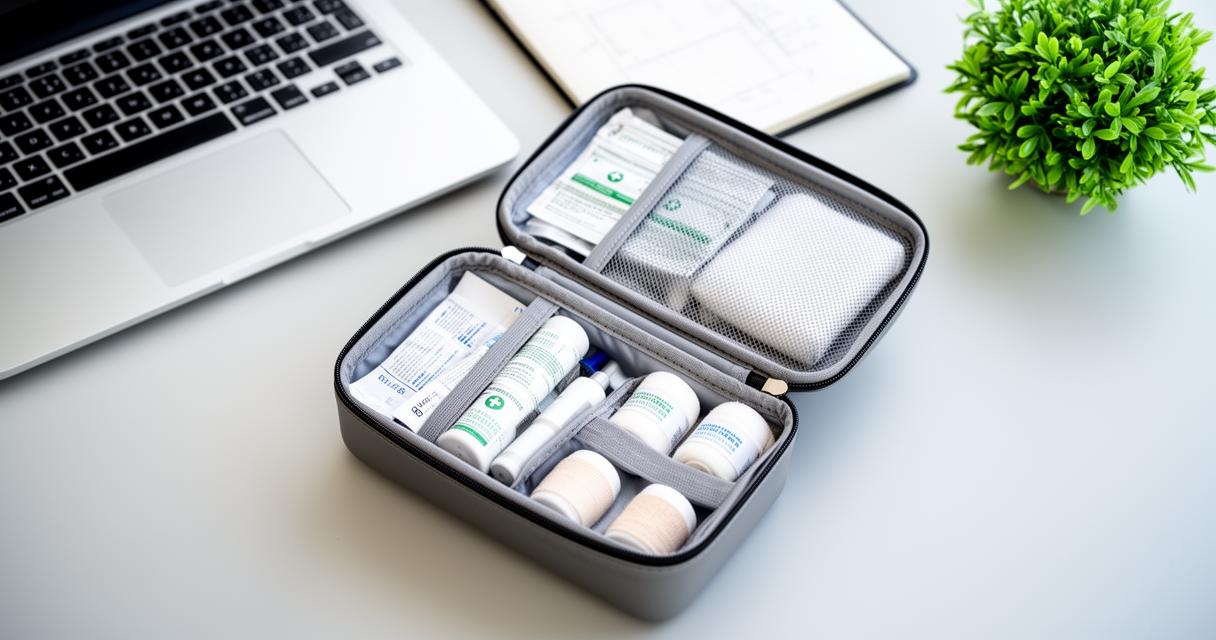
Selecting the right equipment and supplies for emergency response has become increasingly important for workplaces, homes, and public spaces across the United Kingdom. As health and safety standards continue to evolve and organisations prioritise the wellbeing of their employees and visitors, understanding what each supplier offers can make a significant difference in preparedness and compliance. The market now features several established providers, each bringing their own strengths to the table when it comes to premier secours solutions, training programmes, and medical supplies. This comparative overview examines four leading suppliers operating in 2026, highlighting what sets each apart in terms of product range, pricing, service delivery, and compliance with UK safety standards.
| Comparison Point | Seton | FirstAid4Less | St John Supplies | Safety First Aid |
|---|---|---|---|---|
| Product Range | Comprehensive range including sterile dressings, bandages, wound dressings, PPE, vehicle supplies, travel-specific solutions, and paediatric first aid equipment | Wide range including first aid kits, gloves, defibrillators, PPE, plasters, with focus on best-selling fundamental items | Extensive range including defibrillators (HEART One, ZOLL AED 3, HEART Pocket), workplace kits (£21.50-£40.50), burns kits, bandages, eye wash, and medical supplies | Comprehensive portfolio including BS8599-1 compliant kits, vehicle first aid supplies, travel options, sterile dressings, plasters, PPE, gloves, bandages, and wound dressings |
| Pricing Structure | Information not specified in the content | VAT-included pricing, defibrillators from £21.70, free next day delivery on orders over £65, £500 instant credit available, 30-day money-back guarantee | Defibrillators: HEART One £699, ZOLL AED 3 £1,305, HEART Pocket £999; First aid kits £21.50-£40.50; Large Workplace kits £39, Burns Kits £21.50, Medium Workplace kits £30.50 | VAT-included pricing for transparent budgeting; specific prices not detailed in content |
| Compliance Standards | Products comply with BS8599-1 compliance standards and HSE guidelines | Information not specified in the content | Kit contents align with regulatory guidance on minimum contents for workplace emergency response; defibrillator network service via The Circuit | BS8599-1 compliance standards and HSE guidelines adherence; purpose-designed solutions for varying regulatory requirements |
| Training & Education | Information not specified in the content | Information not specified in the content | Comprehensive training courses: First Aid at Work, Emergency First Aid, Mental Health First Aid, Fire Marshal, Paediatric First Aid, Schools First Aid; formats include Classic Classroom, Blended Online, On-Site, and eLearning; on-site training for groups of 6+; National Account services for 75+ people annually; free resources and advice | Information not specified in the content |
| Delivery & Service | UK-based operation, domestic shipping, clear communication about order processing timelines; closed Spring Bank Holiday (orders before 16:30 on 22 May 2026 processed normally) | Poole-based (Value Products Ltd), free next day delivery on orders over £65; closed Spring Bank Holiday 25 May 2026 (orders before 16:30 on 22 May processed normally, resumed 26 May); contact via freephone 0808 2810 239 or email | Integrated training and product delivery coordination; newsletter sign-up for updates; broader mission including volunteering, fundraising, and donations | Multiple contact channels, responsive customer service, expedited processing for urgent needs, clear communication about delivery logistics and holiday schedules |
| Unique Selling Points | Workplace-focused solutions across varying risk profiles; single-supplier convenience for multiple product categories; streamlined procurement processes | Cost-conscious pricing strategy; transparent VAT-included costs; 30-day money-back guarantee; strong customer testimonials emphasising service and quality | Historical legacy of St John Ambulance; holistic integration of equipment, training, and community services; defibrillator network service (The Circuit); decades of frontline emergency response expertise; charitable foundation with social purpose | Inclusive positioning for all customer segments; proactive engagement with regulatory frameworks; systematic restocking support; single-source supplier for multiple safety categories |
Seton
The landscape of workplace safety products has witnessed substantial growth in recent years, and providers like Seton have established themselves as reliable sources for businesses seeking comprehensive solutions. When organisations evaluate their options for equipping their premises with appropriate emergency response materials, they typically consider factors such as product quality, compliance with regulatory frameworks, and the breadth of available supplies. Seton positions itself within this competitive market by offering a range of products that address various workplace requirements, from small office environments to larger industrial settings.
Comprehensive product range and workplace focus
Understanding the diverse needs of different industries requires suppliers to maintain extensive catalogues that can accommodate everything from basic supplies to specialised trauma kits. Seton has developed its offerings to include products suitable for environments with varying risk profiles, ensuring that organisations can find appropriate solutions regardless of their sector. The company provides access to essential items such as sterile dressings, bandages, wound dressings, and personal protective equipment, which form the foundation of any properly stocked emergency response kit. Beyond these basics, their inventory extends to more specialised items including vehicle first aid supplies, travel-specific solutions, and equipment designed for paediatric first aid scenarios. This breadth allows health and safety officers to source multiple product categories from a single supplier, potentially streamlining procurement processes. The availability of items that comply with BS8599-1 compliance standards and HSE guidelines demonstrates attention to regulatory requirements that govern workplace safety across the United Kingdom. Many organisations particularly value suppliers who understand the importance of maintaining stocks that meet these established benchmarks, as it reduces the administrative burden of verifying compliance independently.
Service infrastructure and customer support
Operational logistics play a crucial role in the selection of safety equipment suppliers, particularly for organisations that require prompt replenishment of used or expired materials. Seton has structured its service model to address common pain points experienced by purchasing departments, including delivery timeframes and accessibility of support resources. The company operates from a UK base, which facilitates domestic shipping arrangements and enables communication during standard business hours without international time zone complications. For organisations managing inventory across multiple sites or those coordinating restocking schedules, understanding supplier operating patterns becomes essential. Information regarding closure periods, such as observance of the Spring Bank Holiday when warehouses may not process orders, helps procurement teams plan their purchasing cycles to avoid supply gaps. The emphasis on maintaining adequate stock levels and providing clear communication about order processing timelines reflects recognition of the critical nature of these products. Unlike items that can tolerate delays, emergency response supplies must be consistently available, making supplier reliability a key consideration. Businesses evaluating Seton alongside other providers often weigh these operational characteristics against their internal requirements for response speed and supply continuity.
Firstaid4less
The marketplace for emergency medical supplies in the United Kingdom continues to expand with providers offering varying combinations of product selection, pricing strategies, and customer service features. FirstAid4Less has established its presence as a Poole-based operation registered as Value Products Ltd, carving out a niche through particular attention to delivery options and pricing transparency. When businesses and organisations assess their options for sourcing workplace safety equipment and medical supplies, they increasingly prioritise suppliers who demonstrate clear value propositions alongside product quality. FirstAid4Less structures its offerings to appeal to cost-conscious purchasers whilst maintaining access to essential items required for compliance with safety regulations.
Pricing strategy and delivery infrastructure
Financial considerations remain paramount for organisations managing safety budgets, particularly those operating multiple locations or requiring regular replenishment of consumed supplies. FirstAid4Less addresses this concern through several mechanisms designed to reduce overall expenditure on first aid kits, defibrillators, and related products. The company implements free next day delivery on orders exceeding sixty-five pounds, effectively lowering the total cost of acquisition for businesses placing standard-sized orders. This threshold positions the offering competitively for organisations that purchase supplies in modest quantities rather than bulk arrangements. Additionally, the availability of five hundred pounds instant credit provides flexibility for established customers managing cash flow across various operational expenses. The company's pricing structure incorporates VAT included pricing, eliminating the need for purchasers to calculate final costs separately and simplifying budget forecasting. For customers prioritising cost certainty, this transparent approach removes potential confusion at the point of purchase. Furthermore, defibrillator prices start from twenty-one pounds and seventy pence for semi-automatic types, positioning these life-saving devices within reach of smaller organisations and community groups that might otherwise consider them prohibitively expensive. The thirty-day money back guarantee with no quibble policy provides additional assurance for first-time purchasers or those trialling new products, reducing perceived risk in the supplier relationship. Understanding delivery schedules proves particularly important for organisations coordinating restocking around operational requirements. FirstAid4Less maintains offices and warehouses that close on the Spring Bank Holiday, specifically the twenty-fifth of May 2026, with orders before half past four in the afternoon on the twenty-second of May 2026 processed as normal. Orders placed after this cutoff or during the Bank Holiday period resume processing on the twenty-sixth of May 2026, and customers should note that next day delivery cannot be guaranteed during this period as couriers operate on working day service. This transparency regarding operational schedules allows purchasing departments to plan accordingly and avoid unexpected delays.
Product selection and customer experience
The breadth of available products directly influences a supplier's suitability for diverse organisational needs, from small retail establishments to large industrial complexes. FirstAid4Less maintains a wide range of first aid products available, including first aid kits, gloves, defibrillators, and personal protective equipment, addressing common requirements across various sectors. Best-selling items include various types of plasters and first aid kits, suggesting strong demand for these fundamental components of emergency response preparedness. The company's focus on items that experience high turnover indicates alignment with typical consumption patterns in workplaces and public spaces. Customer testimonials highlight excellent service and product quality, providing social proof that resonates with prospective purchasers evaluating supplier options. These endorsements, when authentic and detailed, offer insights into the practical experience of working with the supplier beyond what product specifications alone can convey. The company provides contact via freephone 0808 2810 239 or email [email protected], ensuring accessibility through multiple communication channels to accommodate different customer preferences. For organisations requiring technical guidance, bulk pricing information, or assistance with product selection, having responsive customer support can significantly enhance the purchasing experience. The company's website uses cookies for enhancing user experience and marketing, a standard practice that enables personalised browsing experiences and streamlined repeat purchasing for registered customers. Being based in Poole, UK means the operation benefits from domestic logistics networks and familiarity with British regulatory requirements, potentially translating to more relevant product recommendations and compliance guidance for UK-based customers.
St john supplies
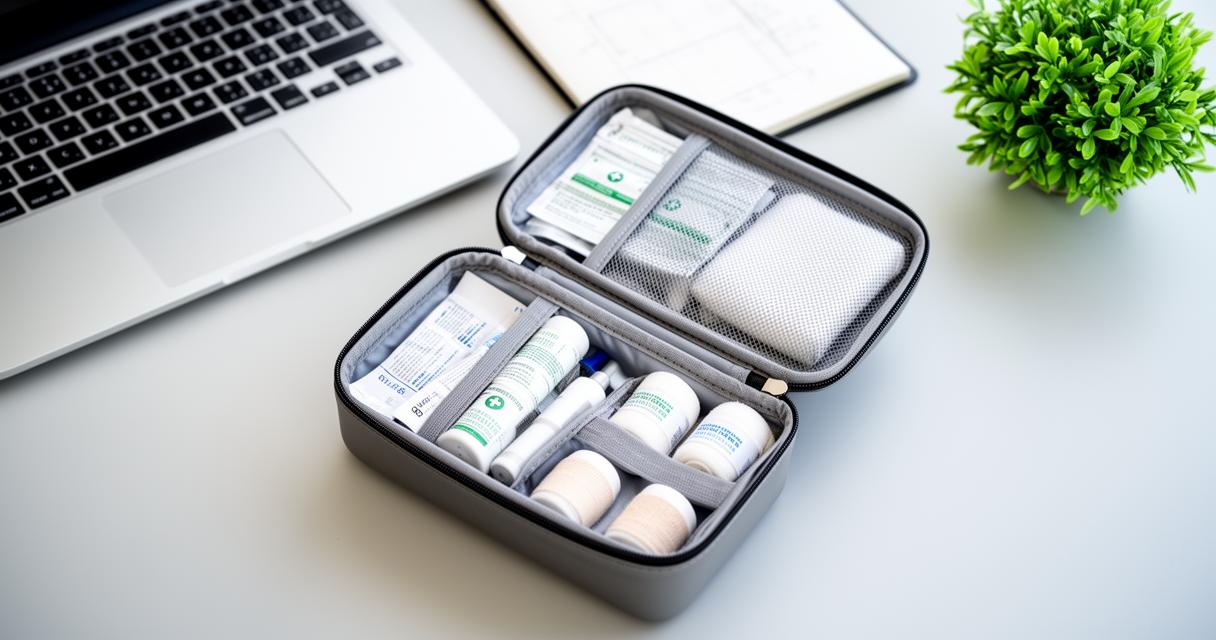
Few organisations in the United Kingdom possess the historical legacy and comprehensive approach to emergency response that characterises St John Ambulance and its commercial supply division. Beyond simply providing products, this supplier integrates equipment sales with training programmes, community services, and broader public health initiatives. Organisations selecting St John Supplies as their provider often value this holistic perspective, which extends from basic first aid training through to advanced defibrillator deployment and mental health first aid programmes. The supplier's positioning reflects deep expertise accumulated through decades of frontline emergency response experience, translating practical insights into product development and educational content.
Training integration and educational offerings
The connection between properly equipped facilities and appropriately trained personnel represents a fundamental principle of effective workplace safety programmes. St John Supplies distinguishes itself through seamless integration of product provision with comprehensive training courses spanning first aid, mental health, health and safety, community programmes, and IOSH courses. Popular courses include First Aid at Work, Emergency First Aid, Mental Health First Aid, Fire Marshal, Paediatric First Aid, and Schools First Aid, addressing diverse training requirements across sectors. Course types include Classic Classroom, Blended Online, On-Site, and eLearning formats, providing flexibility for organisations with varying learning preferences and logistical constraints. This multiplicity of delivery methods acknowledges that businesses operate under different circumstances, with some preferring traditional instructor-led sessions whilst others benefit from flexible digital learning that accommodates shift patterns and distributed workforces. Training available for groups of six or more at client premises enables customisation of content to specific workplace environments and risks, potentially increasing relevance and retention compared to generic off-site courses. For larger organisations, National Account services for entities training seventy-five or more people annually provide dedicated support and potentially preferential terms, recognising the scale of their commitment to workforce development. The ability to coordinate product supply with training schedules ensures that newly trained personnel have immediate access to appropriate equipment, reinforcing learning through practical application. Free resources and advice offered related to first aid extend the educational mission beyond formal courses, supporting ongoing competence development and providing reference materials for trained staff. This commitment to education reflects understanding that even the most comprehensive first aid kits deliver limited value without knowledgeable personnel capable of deploying their contents effectively during emergencies.
Product range and technology integration
Modern emergency response increasingly incorporates technological solutions alongside traditional supplies, particularly in the deployment of automated external defibrillators that can dramatically improve survival rates for cardiac emergencies. St John Supplies offers several defibrillator options including the St John Ambulance HEART One at six hundred and ninety-nine pounds, the ZOLL AED 3 at one thousand three hundred and five pounds, and the St John Ambulance HEART Pocket at nine hundred and ninety-nine pounds. These price points reflect different feature sets and capabilities, allowing organisations to select devices appropriate to their risk assessment and budget parameters. The availability of a defibrillator network service called The Circuit facilitates registration of these devices in a national database, enabling emergency services to direct callers to the nearest available AED during cardiac emergencies, potentially saving crucial minutes in response time. First aid kits include a range from twenty-one pounds and fifty pence to forty pounds and fifty pence for specific kits, with options including Large Workplace kits at thirty-nine pounds, Burns Kits at twenty-one pounds and fifty pence, and Medium Workplace kits at thirty pounds and fifty pence. This tiered pricing structure accommodates varying organisational sizes and risk profiles, from small offices requiring basic provisions through to larger facilities needing comprehensive supplies. First aid supplies encompass bandages, gloves, eye wash, first aid bags, medical tape, and numerous other items, providing the granular components necessary for restocking existing kits or building customised solutions. The first aid kit contents checklist includes dressings, plasters, bandages, gloves, scissors, and protective items, aligning with regulatory guidance on minimum contents for workplace emergency response capabilities. Organisations can sign up for the St John Ambulance newsletter for updates, ensuring they remain informed about product developments, regulatory changes, and training opportunities. The broader mission encompassing volunteering, fundraising, and donations underscores the charitable foundation underlying the commercial operations, potentially appealing to organisations that value suppliers with strong community connections and social purpose beyond profit generation.
Safety first aid
Establishing a supplier relationship that delivers consistent quality, regulatory compliance, and responsive service requires careful evaluation of providers' operational capabilities and market positioning. Safety First Aid operates within the competitive landscape of emergency response supplies by focusing on meeting the practical needs of diverse customer segments, from individual households through to large corporate clients. The company's approach emphasises accessibility and comprehensiveness, ensuring that customers regardless of their size or sector can identify appropriate solutions within the product catalogue. This inclusive positioning addresses a common challenge faced by safety officers and procurement professionals who may find that some suppliers primarily target either the consumer market or large institutional buyers, potentially overlooking mid-sized organisations.
Compliance and product standards
Adherence to established regulatory frameworks provides essential assurance that purchased products will meet requirements during inspections and audits conducted by health and safety authorities. Safety First Aid structures its inventory to include items that align with BS8599-1 compliance standards, the current British standard for workplace first aid kits, ensuring that organisations can confidently specify these products in their safety documentation. The importance of this compliance cannot be overstated, as regulatory breaches can result in enforcement action, reputational damage, and increased liability exposure following workplace incidents. Beyond meeting minimum standards, many organisations seek suppliers who demonstrate proactive engagement with HSE guidelines, the recommendations issued by the Health and Safety Executive that inform best practice across industries. Products designed with reference to these guidelines typically incorporate lessons learned from incident investigations and evolving understanding of effective emergency response. The availability of different kit configurations, including vehicle first aid supplies and travel first aid options, recognises that compliance requirements vary depending on the context of use. Vehicles used for business purposes face specific regulations regarding onboard emergency equipment, whilst international travel may necessitate additional items or documentation. By offering purpose-designed solutions for these scenarios, Safety First Aid reduces the burden on customers to research and assemble appropriate contents independently. Regular restocking of used or expired supplies is crucial for safety compliance, and suppliers who facilitate this through clear inventory management and reminder systems provide tangible value beyond the initial sale. Items such as sterile dressings, plasters, and certain medications have defined shelf lives, requiring systematic replacement to maintain kit readiness. Safety First Aid's attention to these practical considerations reflects understanding of the operational realities faced by those responsible for maintaining emergency response capabilities across organisations.
Service accessibility and customer support
The relationship between supplier and customer extends beyond transactional product delivery to encompass advisory support, problem resolution, and adaptation to evolving requirements. Safety First Aid provides multiple contact channels to ensure customers can access assistance when selecting products, resolving queries, or addressing urgent supply needs. The availability of contact information facilitates direct communication, particularly valuable for organisations with specific questions about product suitability or regulatory compliance. Responsive customer service becomes especially critical when organisations face unexpected supply depletion following incidents or when conducting urgent compliance remediation after identifying gaps during internal audits. Suppliers who understand the sometimes urgent nature of these requirements and can expedite processing accordingly provide meaningful operational advantages. The website infrastructure employed by Safety First Aid uses cookies for enhancing user experience and marketing, enabling features such as saved preferences, streamlined reordering, and personalised product recommendations based on previous purchases. For repeat customers, these digital conveniences reduce administrative friction and potentially prevent ordering errors that might result from manual processes. Understanding delivery logistics remains essential for planning, particularly around public holidays when operations may be affected. Clear communication about processing schedules and courier service operating patterns allows customers to anticipate delivery timeframes accurately and plan their requirements accordingly. The emphasis on VAT included pricing eliminates calculation confusion and ensures that customers managing fixed budgets can determine affordability without additional arithmetic. For organisations comparing multiple suppliers, this transparency facilitates direct cost comparison and simplifies procurement decision-making. The broader product portfolio including personal protective equipment, gloves, bandages, and wound dressings positions Safety First Aid as a potential single-source supplier for multiple safety-related categories, potentially yielding administrative efficiencies through consolidated purchasing relationships. Many organisations prefer to minimise their supplier base to reduce administrative overhead associated with managing multiple vendor relationships, making comprehensive product ranges an attractive feature when quality and pricing remain competitive.