

In today’s fast-moving business landscape, keeping track of physical and digital assets is no small feat. Whether you’re overseeing a fleet of laptops, a warehouse full of machinery, or a sprawling network of servers, the challenge is always the same: how do you ensure every asset is accounted for, properly maintained, and feeding accurate data into your systems? The answer, more often than not, begins with a humble but powerful tool — the asset tag.
The essentials
- Asset tags serve as the essential link between physical equipment and digital records, creating a single source of truth for inventory management.
- Implementing consistent asset tagging significantly reduces human error and data inaccuracies common in manual tracking processes.
- Accurate tagging supports regulatory compliance and lifecycle management by providing real-time data on asset deployment, usage, and maintenance needs.
- Selecting the appropriate tagging technology—such as barcodes, RFID, or GPS—must be based on the specific asset type and operating environment to ensure effectiveness.
- Seamless integration between scanned tag data and management software allows for the automation of maintenance schedules and resource optimization.
- High-quality data derived from a robust tagging strategy enables organizations to reduce operational costs by identifying underutilized assets and avoiding unnecessary purchases.
How Asset Tags Create a Single Source of Truth Across Your Organisation
Linking physical assets to digital records through reliable identification
At the heart of any robust IT asset management strategy lies the ability to connect the physical world to the digital one. An asset tag — whether a barcode label, a QR code, or an RFID chip — acts as the critical bridge between a tangible object and its corresponding digital record. When every piece of equipment carries a unique identifier, your asset tracking software can immediately retrieve information such as location, purchase history, warranty status, and maintenance schedule. This level of connectivity transforms what might otherwise be a fragmented collection of spreadsheets into a coherent, reliable system. Good asset identification is not merely an administrative convenience; it is the foundation upon which meaningful inventory management is built. Without it, your data is only as good as your last manual count — and manual counts, as most operations managers will tell you, are rarely perfect.

Reducing Human Error and Data Gaps in Asset Tracking Workflows
One of the most significant advantages of consistent asset tagging is the dramatic reduction in human error. When staff members rely on memory or handwritten logs to record asset movements, gaps and inaccuracies are inevitable. A properly tagged asset, scanned at each stage of its journey, feeds real-time asset tracking data directly into your management platform, leaving little room for ambiguity. This matters enormously for compliance and auditing, where inaccurate records can lead to regulatory difficulties, particularly in sectors such as healthcare or finance. Beyond compliance, accurate tagging supports lifecycle tracking, allowing organisations to understand precisely when an asset was deployed, how heavily it has been used, and when it is due for replacement. The result is smarter planning, reduced downtime, and a clearer picture of your overall asset utilisation.
Choosing the Right Asset Tagging Approach to Strengthen Software Integration

Matching Tag Technology to Your Asset Types and Operating Environment
Not all asset tags are created equal, and selecting the right technology for your environment is essential to ensuring your tagging scheme actually delivers value. Barcodes are cost-effective and widely supported, making them a practical choice for office equipment and hardware asset management. RFID tags, on the other hand, allow for rapid bulk scanning without line-of-sight requirements, which is particularly useful in logistics, construction, and manufacturing settings where assets move frequently and conditions can be demanding. For high-value or mobile assets, GPS-enabled tags can provide continuous location data, supporting efforts to prevent asset theft and improve physical asset tracking across multiple sites. The key is to align your tagging technology with the realities of your operating environment rather than adopting a one-size-fits-all approach that may fall short under pressure.
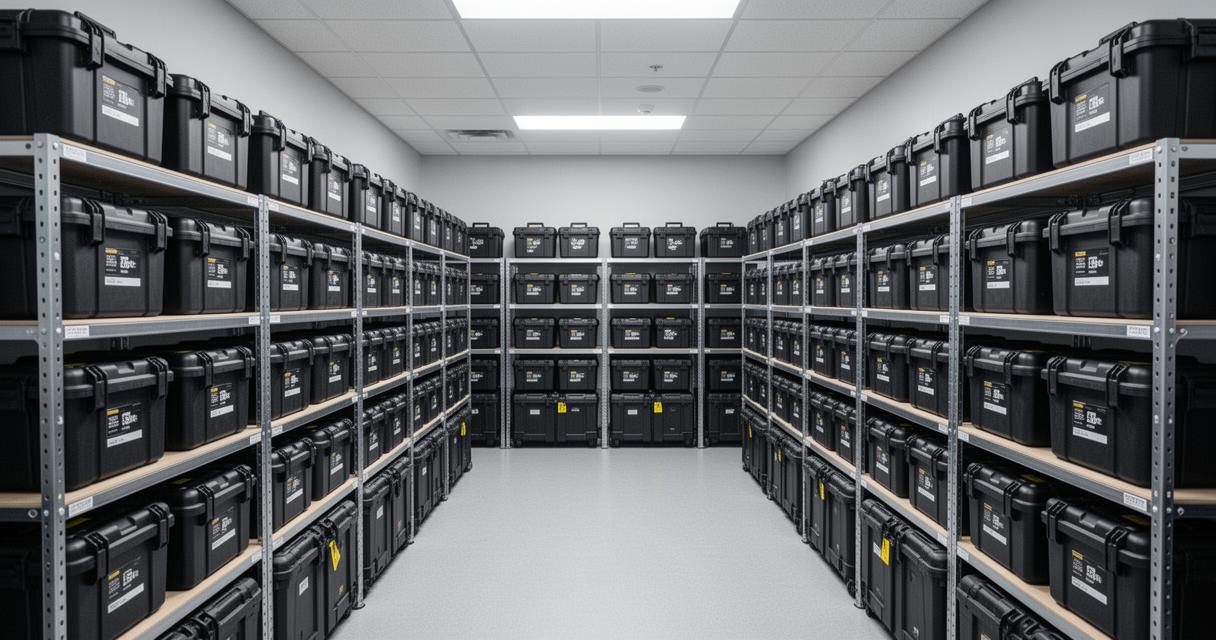
Ensuring seamless data flow between tags and asset management platforms
Choosing the right tag is only half the battle — the other half lies in ensuring that the data captured flows seamlessly into your asset management software. A well-integrated system enables asset maintenance scheduling to be automated, triggered by scan events or usage thresholds rather than relying on someone remembering to raise a work order. It also supports software licence compliance, since accurate hardware records make it far easier to reconcile physical deployments against licence entitlements. From an IT resource management perspective, this kind of integration allows decision-makers to optimise performance, identify underused resources, and reduce operational costs by avoiding unnecessary purchases or renewals. Effective digital resource management and thoughtful infrastructure planning both depend on the quality of the data flowing through your systems — and that data quality starts at the tag. When your tagging strategy and your software platform are properly aligned, the entire organisation benefits from a clearer, more accurate view of what it owns, where it sits, and what it costs.